Skip to product information
1 of 3

Scott's Nursery Ltd.

Maranta 'Red'

Maranta 'Red'

Regular price $9.99 CAD
Regular price Sale price $9.99 CAD
Sale Sold out
Size
Quantity

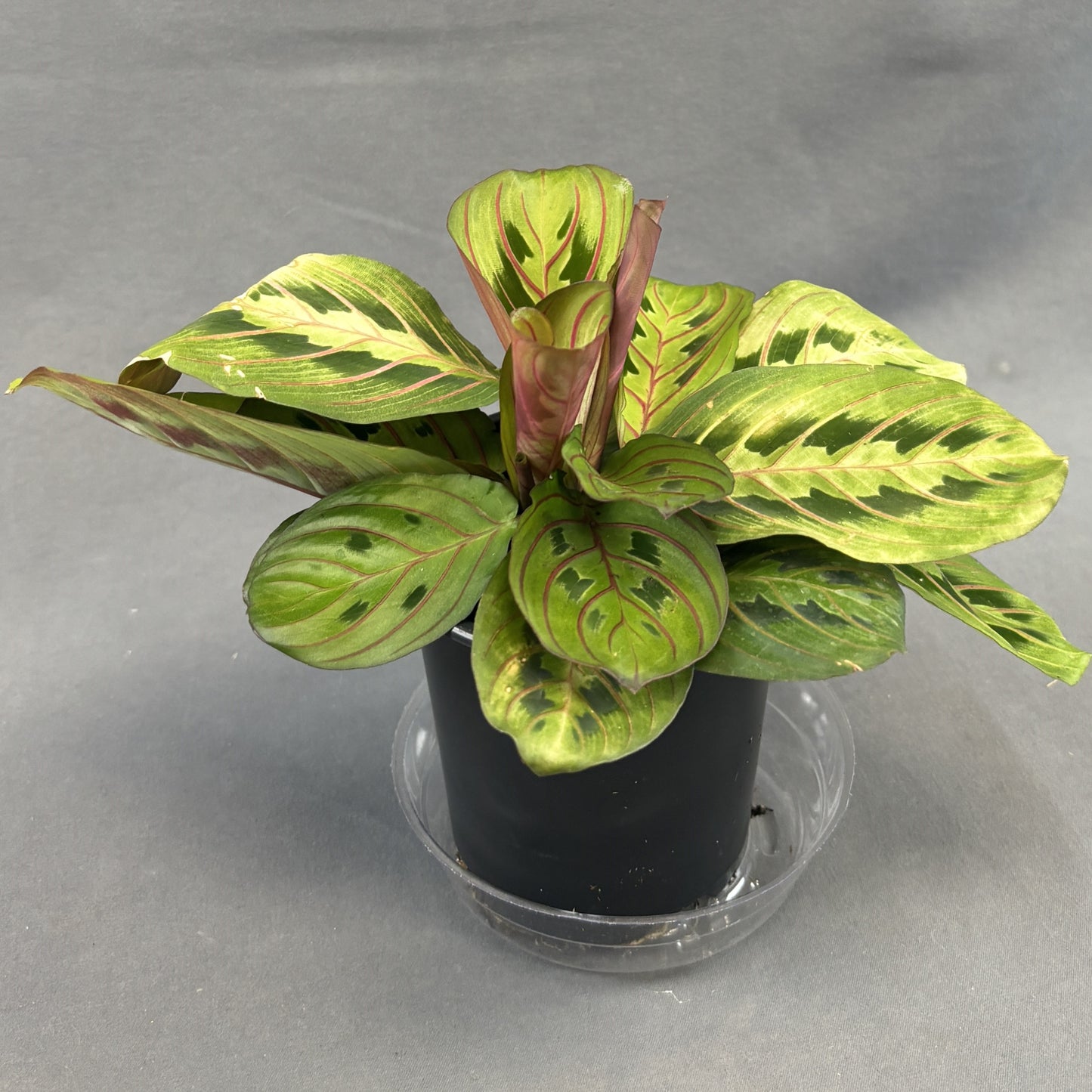
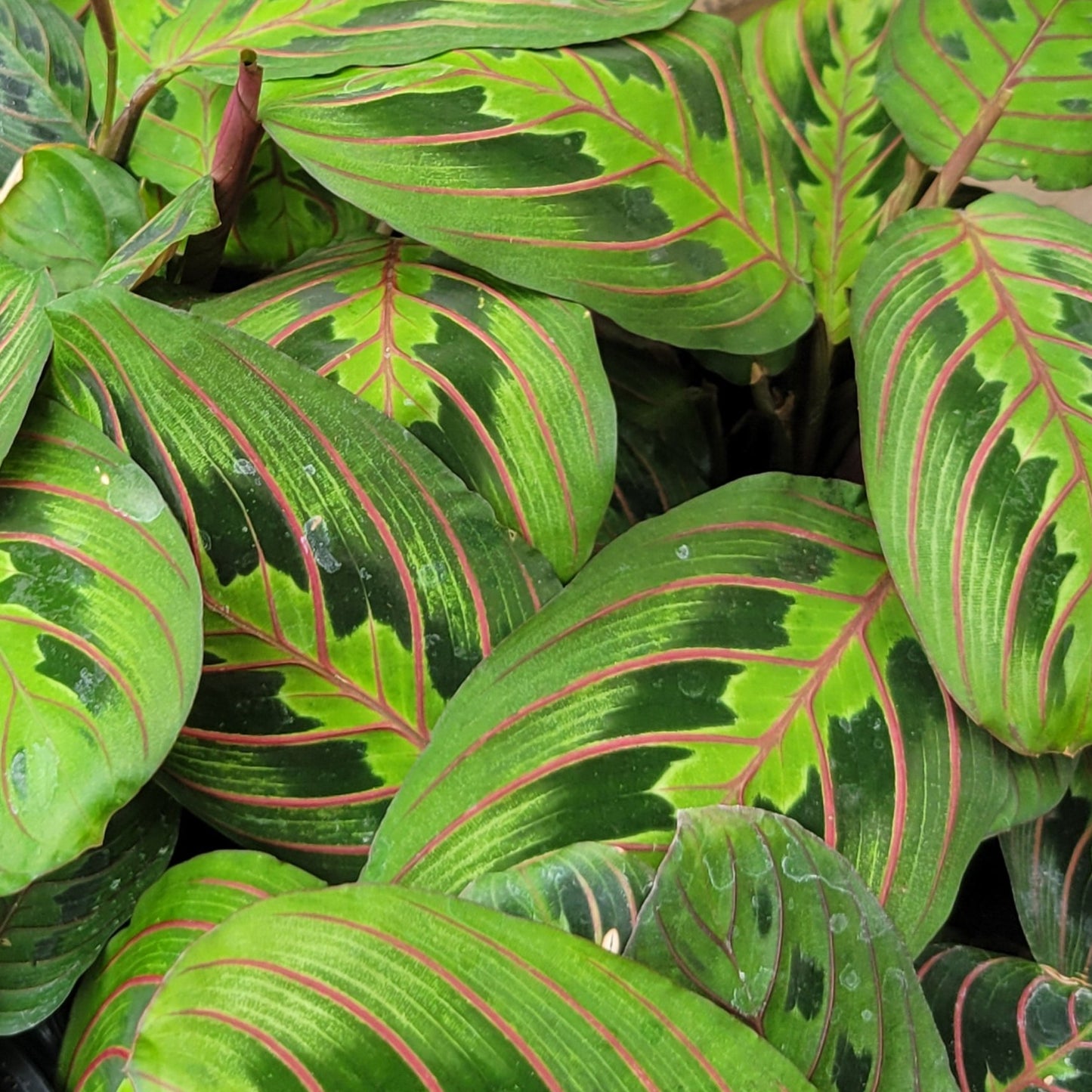
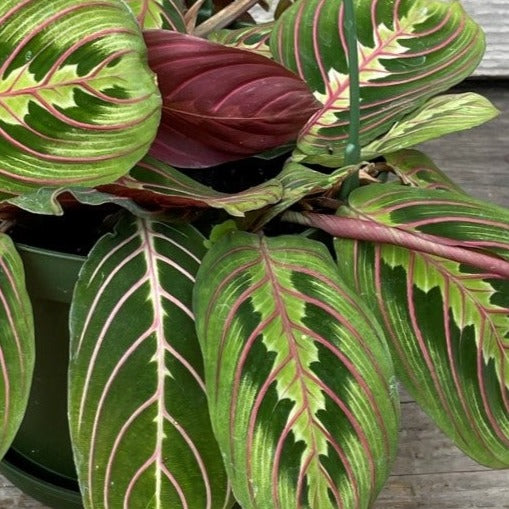
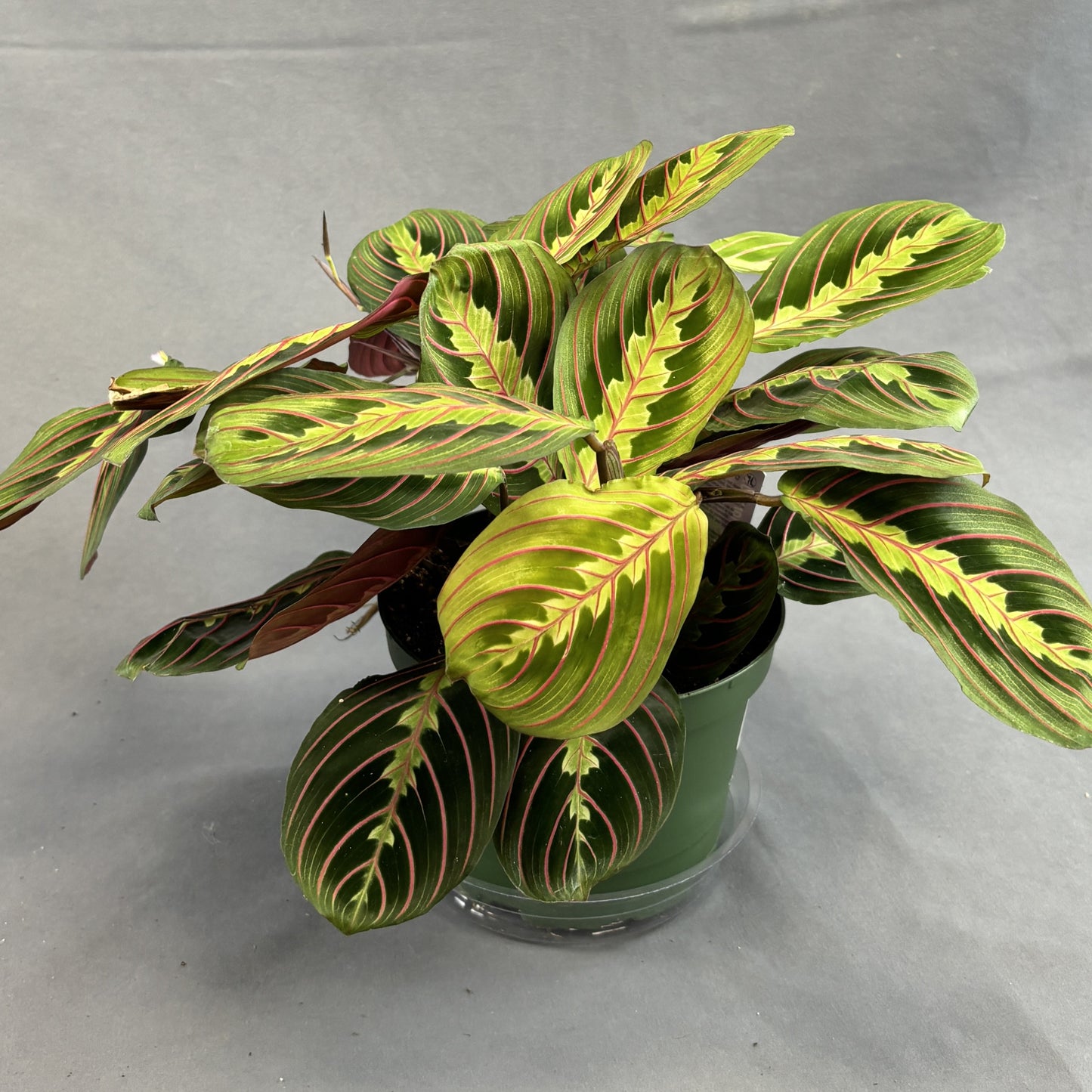
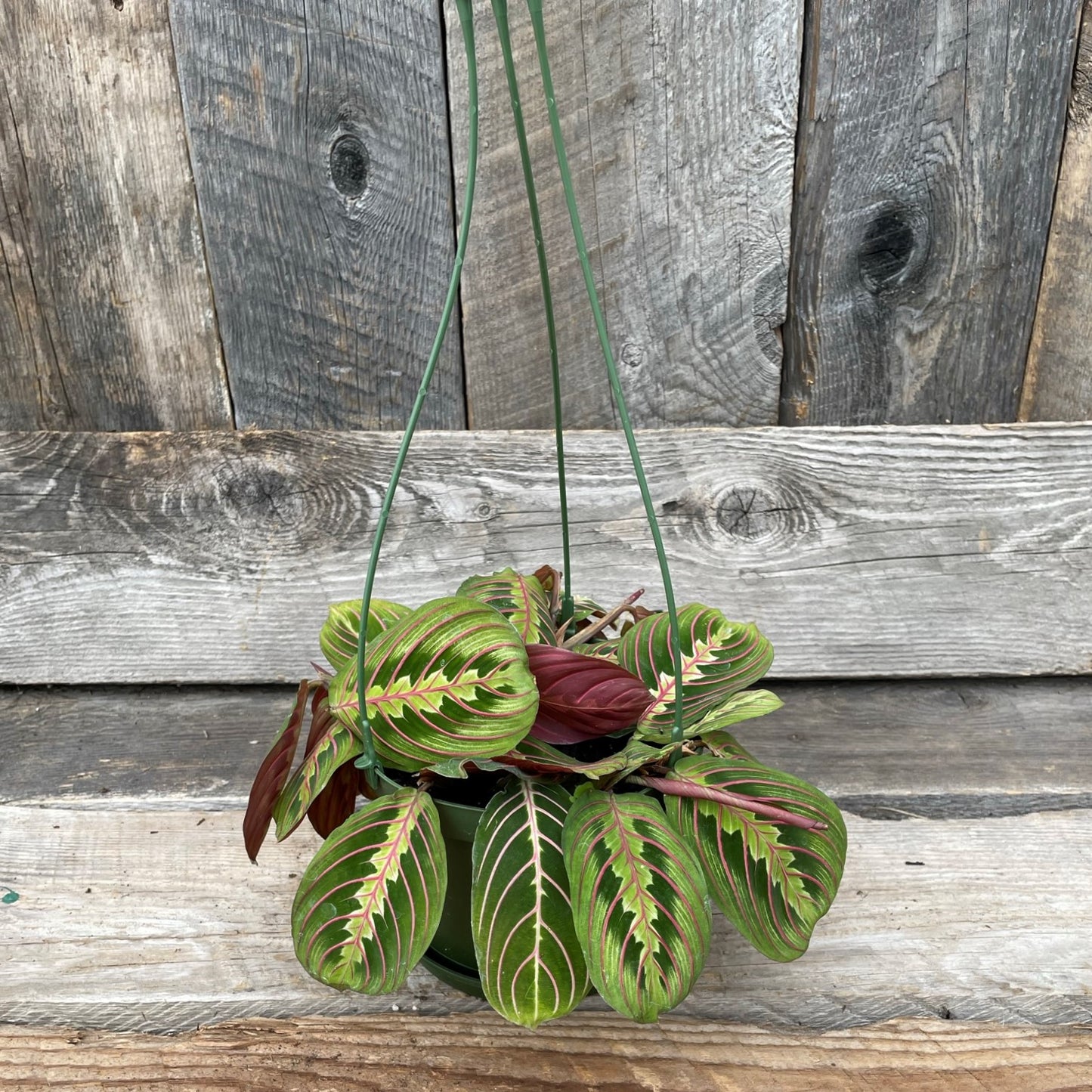
Maranta ‘Red’ is a colourful tropical foliage plant with oval-shaped leaves featuring light to medium green centres, darker green patches and distinctive red veins running throughout the foliage. The leaves fold upward in the evening and lower again during the day, a movement known as nyctinasty. Its low-growing, spreading habit makes it ideal for tabletops, shelves and decorative planters.

View full details

Maranta 'Red'

$9.99
Title

Maranta ‘Red’ is a colourful tropical foliage plant with oval-shaped leaves featuring light to medium green centres, darker green patches and distinctive red veins running throughout the foliage. The leaves fold upward in the evening and lower again during the day, a movement known as nyctinasty. Its low-growing, spreading habit makes it ideal for tabletops, shelves and decorative planters.

Size

Size Guide

Visit Us

Delivery

Warranty

Details & Plant Care

Difficulty:

Moderate

Water:

Humidity:

50-70%

Pet Friendly:

Generally considered non-toxic to cats and dogs, making it a suitable option for many pet-friendly homes.

Light:

Bright Indirect Light

Plant Information

Common Names:

Red Prayer Plant, Maranta Red, Red-Veined Prayer Plant

Scientific Name:

Maranta leuconeura var. erythroneura (commonly sold as Maranta leuconeura ‘Red’)

Country Of Origin

Native to tropical regions of Central and South America, particularly Brazil.

Growth Rate:

Moderate

Soil Type:

A loose, moisture-retentive but well-draining potting mix. A blend of coco coir or peat, compost and perlite provides suitable moisture retention while allowing air to reach the roots.

Fertilize:

NA

Remember to only fertilize during their active growing season.

Common Pests

Spider Mites

Spider Mites

What To Look For: Very fine webbing under leaves or between stems and leaves (especially in dry indoor air). Leaves may appear stippled (tiny yellow or white dots) or dusty; they may turn yellow, brown or drop. When you tap a leaf onto white paper, you might see tiny moving specks. (Often too small to see easily)

How To Treat: Increase humidity around the plant (since mites thrive in dry air). Spray plant thoroughly (both sides of leaves) with insecticidal soap or a miticide/plant-safe oil; repeat every few days. In heavy infestations, consider removing severely affected sections; isolate the plant.

Mealybugs

Mealybugs

What To Look For: White, cottony or waxy masses on stems, leaf axils, underside of leaves. Sticky honeydew, sooty mold growth, yellowing or dropping leaves.

How To Treat: Use a cotton swab dipped in rubbing alcohol to dab and remove visible bugs. Wash leaves and stems with gentle soapy water. In heavy infestations, consider removing very affected stems/leaves or, in the worst case, replacing the plant.

Thrips

Thrips

What To Look For: Tiny, slender insects are often difficult to see; damage appears as silvery or grey stippling on leaves, distorted growth, or black specks (their feces). May also see uneven colouring, leaf silvering, and leaf edges curling.

How To Treat: Use insecticidal soap, making sure to cover all surfaces, including undersides, and new growth. Trim off and discard severely infested growth. Monitor with sticky traps (blue or white) and isolate the plant.

Fungus Gnats

Fungus Gnats

What To Look For: Small flies hover around the soil surface when you water or disturb the plant. Larvae in soil feeding on root hairs and organic matter may lead to poor growth or young plants dying. Usually in overly moist potting soil or with poor drainage.

How To Treat: Allow the soil surface to dry a bit between watering; reduce over-watering. Use yellow sticky traps to catch adult gnats. Consider repotting into a fresh, well-draining mix and removing excess topsoil debris; you can also use a layer of sand or diatomaceous earth on the soil surface.