Skip to product information
1 of 2

Scott's Nursery Ltd.

Gardenia

Gardenia

Regular price $19.99 CAD
Regular price Sale price $19.99 CAD
Sale Sold out
Size
Form
Quantity

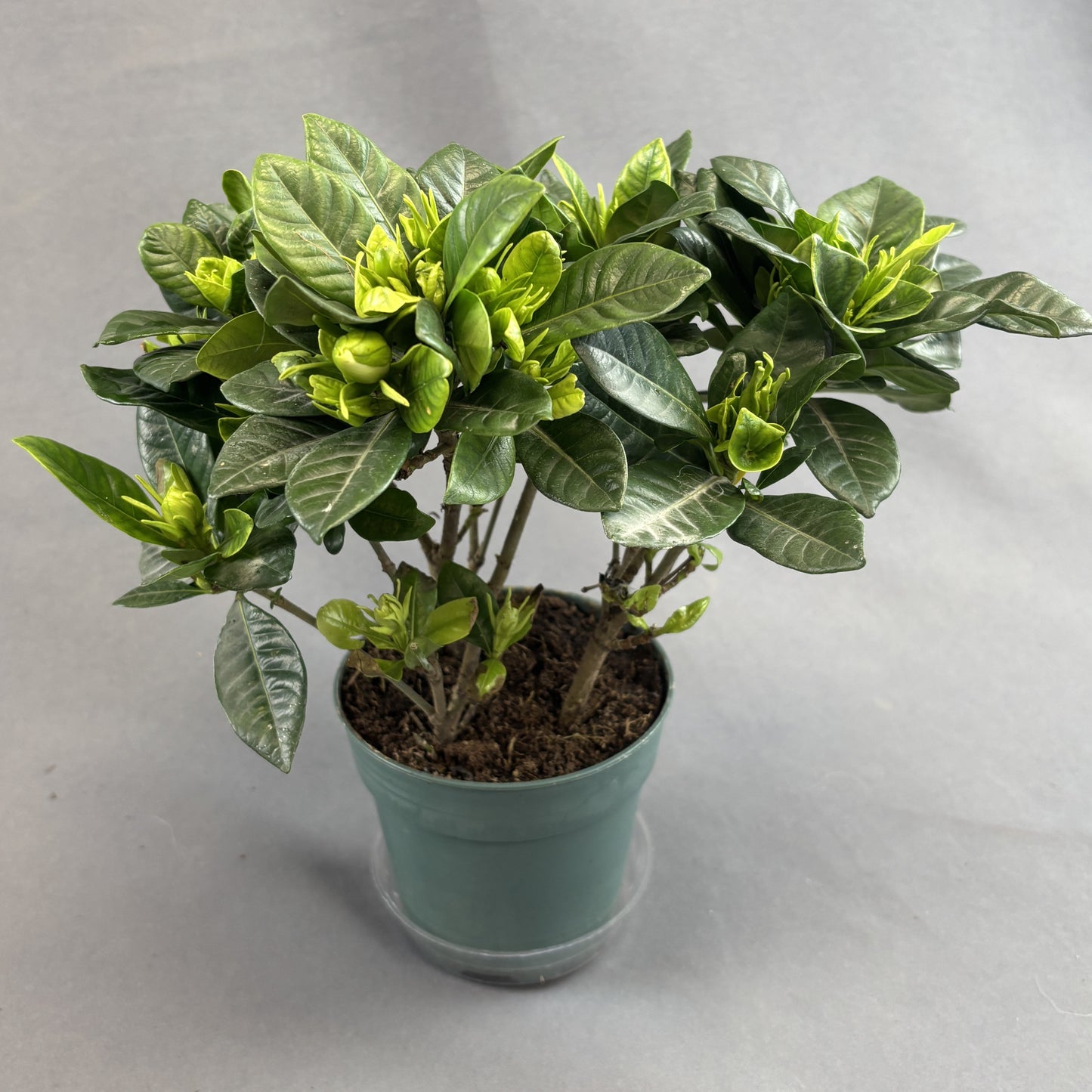
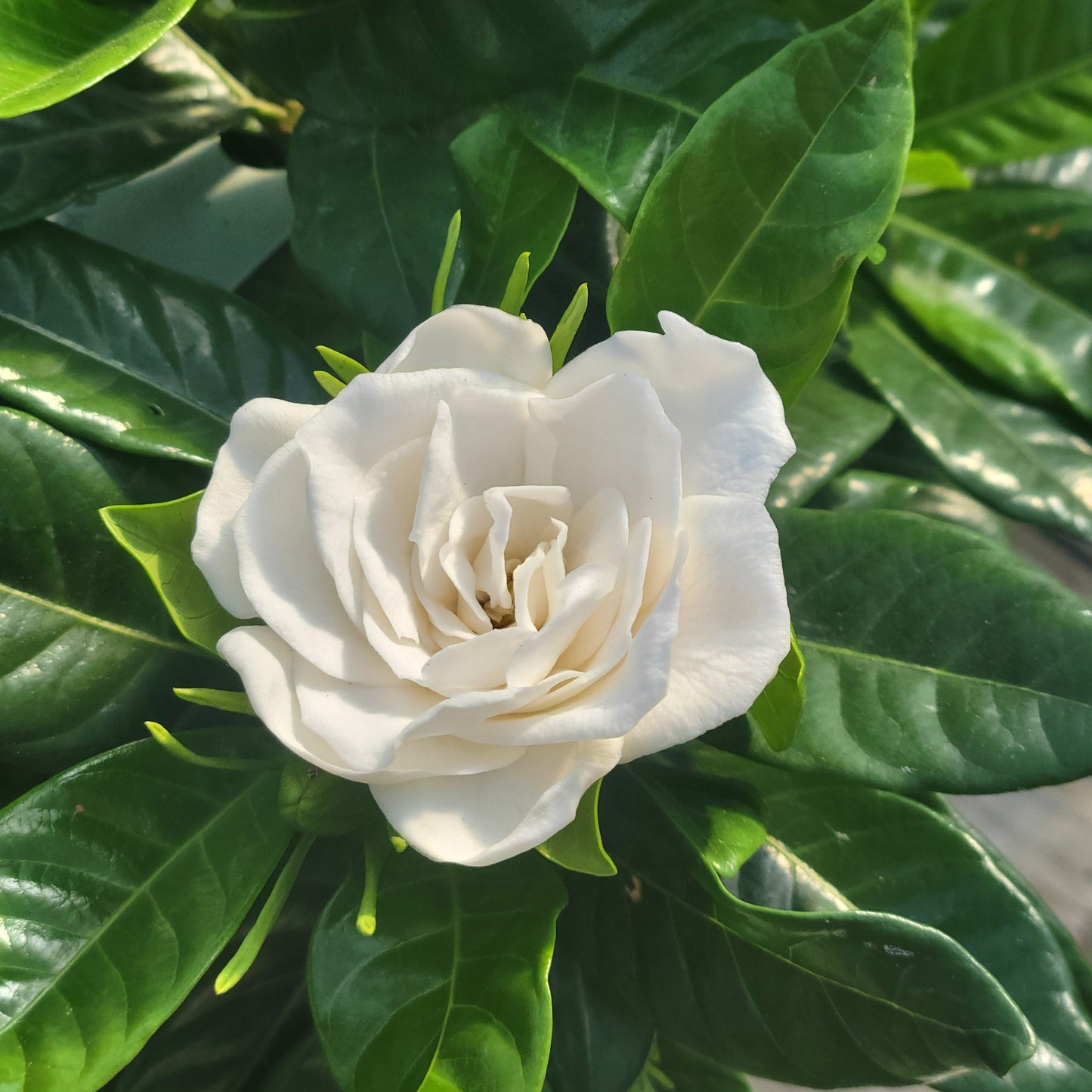
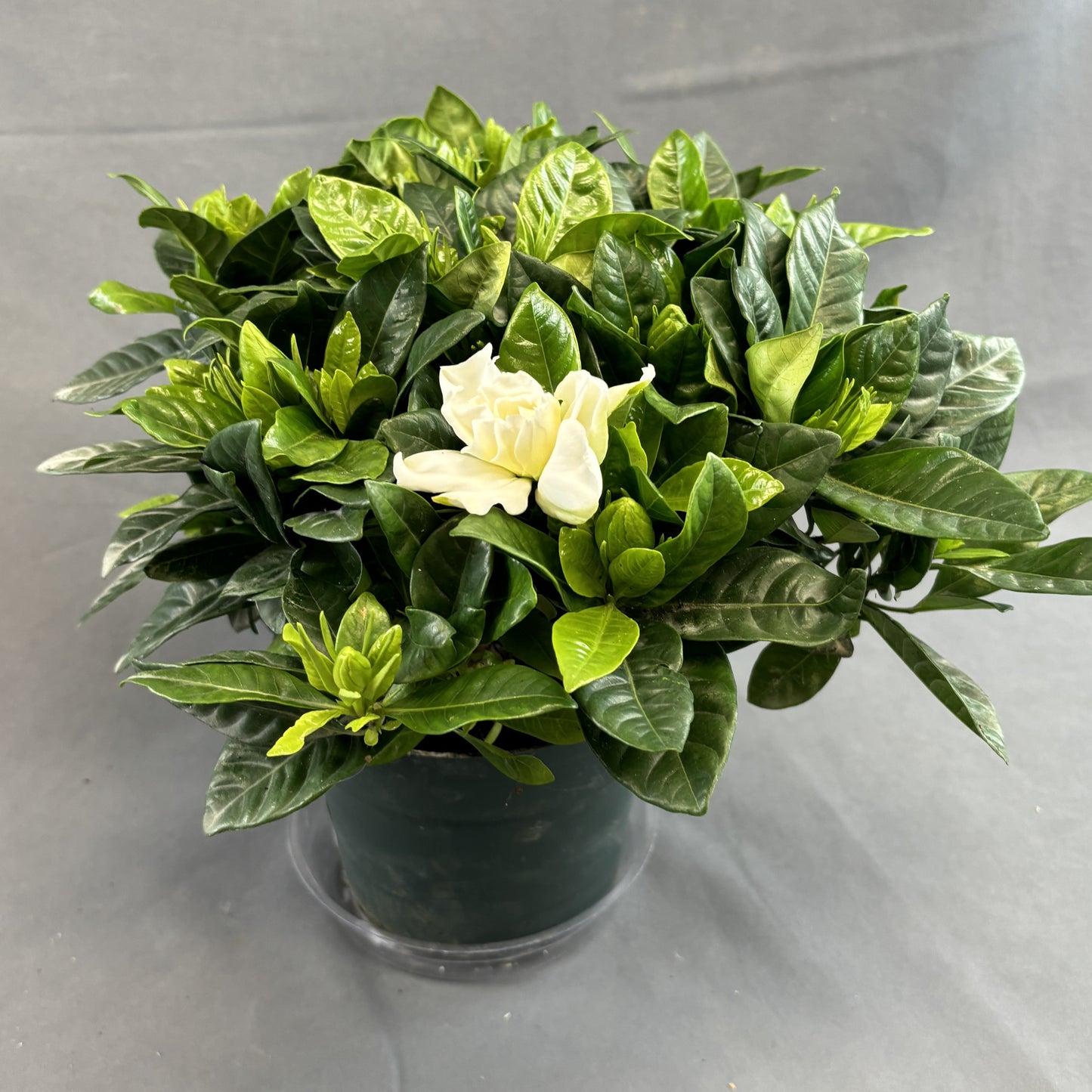
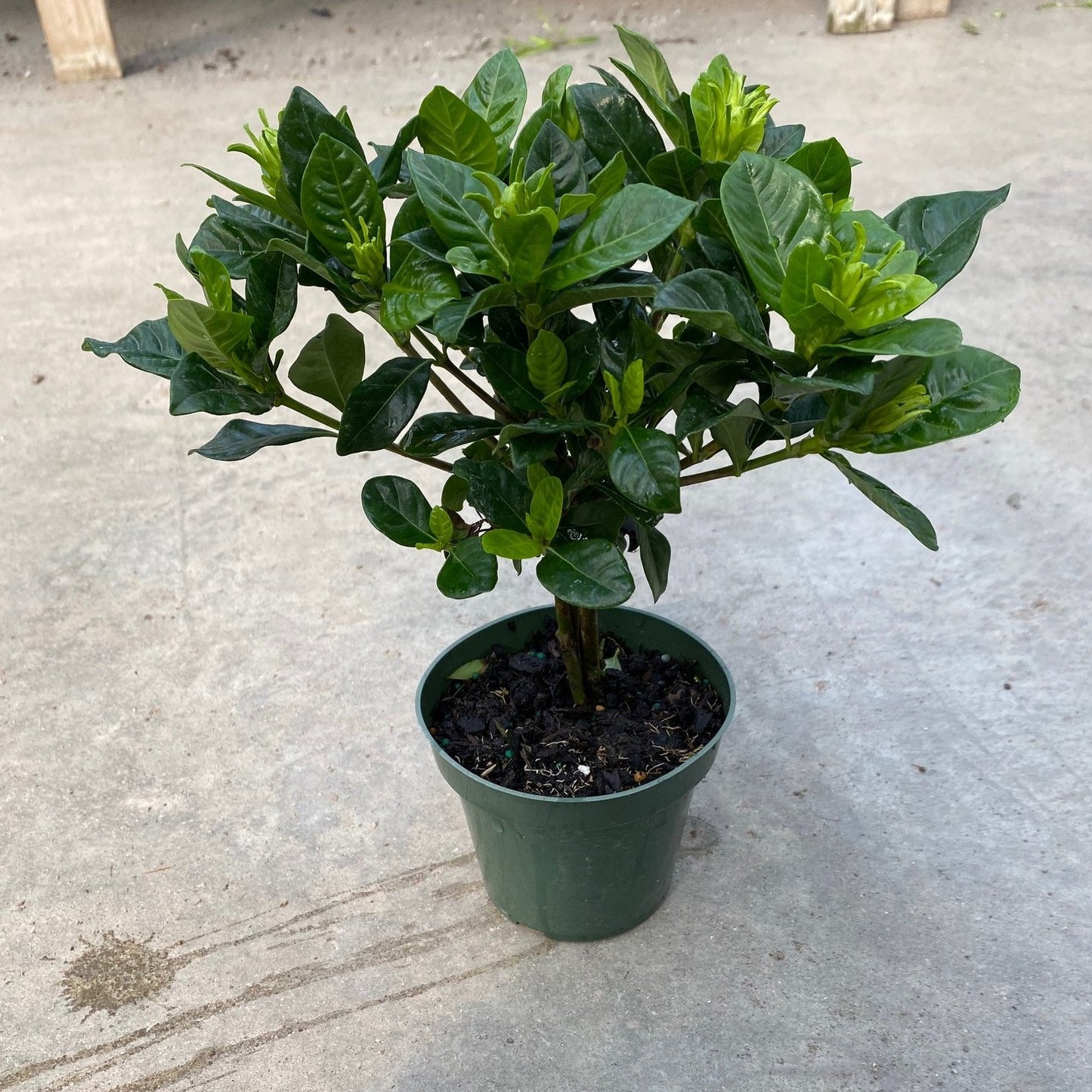
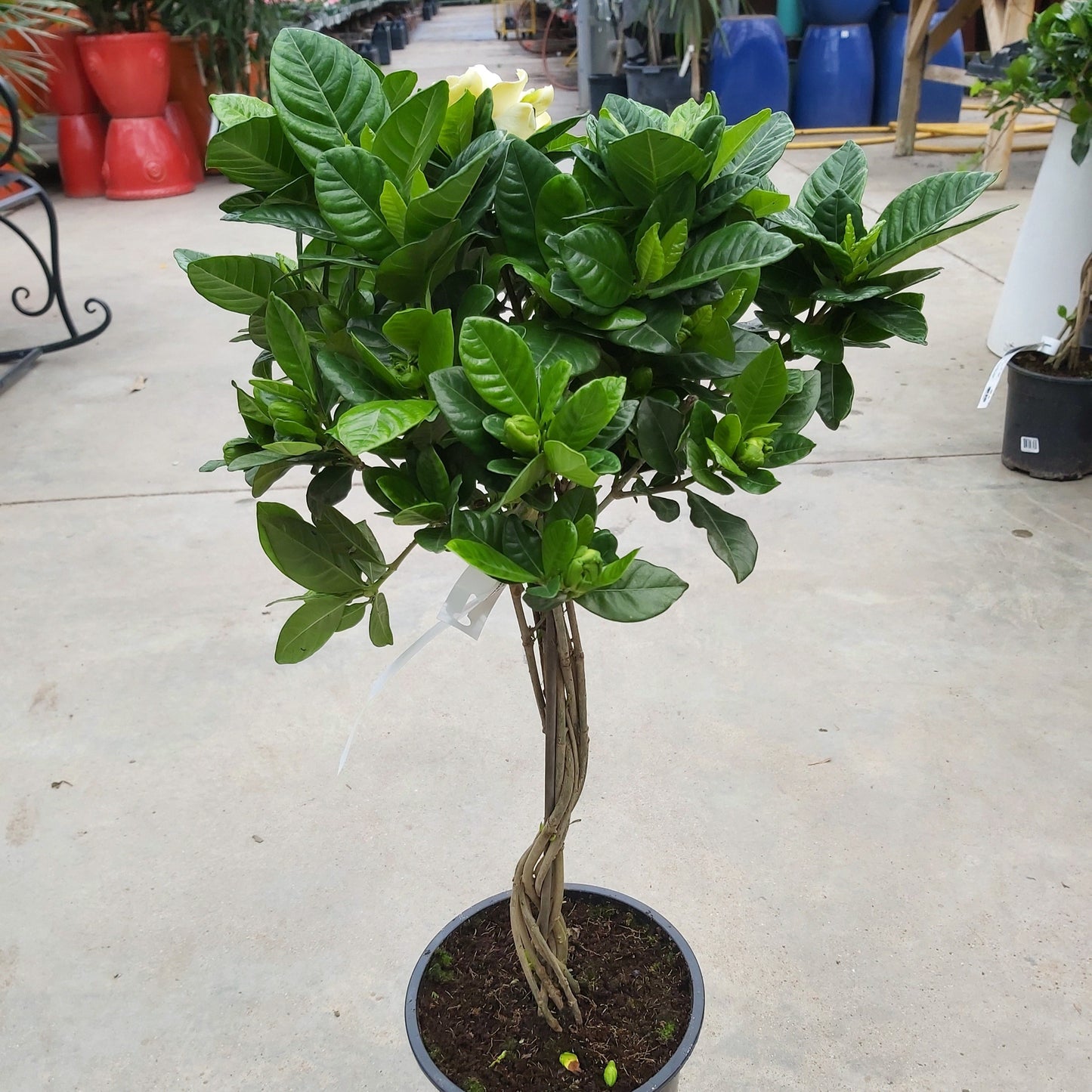
Gardenia is an elegant evergreen tropical shrub prized for its glossy, deep green leaves and creamy white, rose-like flowers. Its blooms are renowned for their rich, sweet fragrance, making it a popular choice for bright indoor spaces, sunrooms and warm outdoor gardens during suitable weather.

View full details

Gardenia

$19.99
Title

Gardenia is an elegant evergreen tropical shrub prized for its glossy, deep green leaves and creamy white, rose-like flowers. Its blooms are renowned for their rich, sweet fragrance, making it a popular choice for bright indoor spaces, sunrooms and warm outdoor gardens during suitable weather.

Size
Form

Size Guide

Visit Us

Delivery

Warranty

Details & Plant Care

Difficulty:

Moderate to challenging. Gardenias can be sensitive to changes in temperature, humidity, watering and soil acidity. Consistent care is important for healthy foliage and reliable flowering.

Water:

NA

Humidity:

Higher humidity can help prevent leaf edges from drying and support healthy growth. Provide good air circulation and avoid leaving foliage constantly wet.

Pet Friendly:

Generally considered non-toxic to cats and dogs, although eating plant material may cause mild digestive upset in some animals.

Light:

Bright Indirect Light

Plant Information

Common Names:

Gardenia, Cape Jasmine, Common Gardenia.

Scientific Name:

Gardenia jasminoides

Country Of Origin

Native to tropical and subtropical regions of Asia, particularly southern China, Taiwan and Japan.

Growth Rate:

Moderate

Soil Type:

Acidic, fertile, moisture-retentive but well-draining soil with a preferred pH of approximately 5.0–6.0. A potting mix formulated for acid-loving plants is suitable for container-grown gardenias.

Fertilize:

NA

Remember to only fertilize during their active growing season.

Common Pests

Spider Mites

Spider Mites

What To Look For: Very fine webbing under leaves or between stems and leaves (especially in dry indoor air). Leaves may appear stippled (tiny yellow or white dots) or dusty; they may turn yellow, brown or drop. When you tap a leaf onto white paper, you might see tiny moving specks. (Often too small to see easily)

How To Treat: Increase humidity around the plant (since mites thrive in dry air). Spray plant thoroughly (both sides of leaves) with insecticidal soap or a miticide/plant-safe oil; repeat every few days. In heavy infestations, consider removing severely affected sections; isolate the plant.

Mealybugs

Mealybugs

What To Look For: White, cottony or waxy masses on stems, leaf axils, underside of leaves. Sticky honeydew, sooty mold growth, yellowing or dropping leaves.

How To Treat: Use a cotton swab dipped in rubbing alcohol to dab and remove visible bugs. Wash leaves and stems with gentle soapy water. In heavy infestations, consider removing very affected stems/leaves or, in the worst case, replacing the plant.

Scale Insects

Scale Insects

What To Look For: Small oval or round bumps on stems or leaves; they may look like part of the plant. Sticky residue/honeydew, sooty mold. Yellowing leaves, leaf drop, and decline in plant vigour.

How To Treat: Physically scrape or wipe off scale insects when you see them; use your fingernail or a soft brush. Use horticultural/plant-safe oils or insecticidal soap when the crawler stage is active. Re-inspect regularly because scale eggs and crawlers can hide under shells.

Whiteflies

Whiteflies

What To Look For: Tiny white winged insects that fly up when you disturb the plant. Adults are often found on leaf undersides. Leaves turning yellow, dropping; sticky honeydew; sooty mold may develop.

How To Treat: Use yellow sticky traps near the plant to monitor and reduce adult whiteflies. Spray underside of leaves with insecticidal soap; cover leaf undersides thoroughly. Repeat treatments weekly until no new signs are present.

Aphids

Aphids

What To Look For: Small soft-bodied insects (green, yellow, black or orange) usually congregating on new growth, stems or leaf undersides. Sticky residue (“honeydew”) on leaves or nearby surfaces, sometimes with sooty mold developing on it. Distorted or curling leaves, wilting, slow growth.

How To Treat: Isolate the infested plant to prevent spread. Blast with water to dislodge many adults, especially on newer growth. Use insecticidal soap, making sure to cover the leaf underside and new growth. Repeat treatments every 7 days or so until no new signs appear. (Since they reproduce quickly)