

Scott's Nursery Ltd.
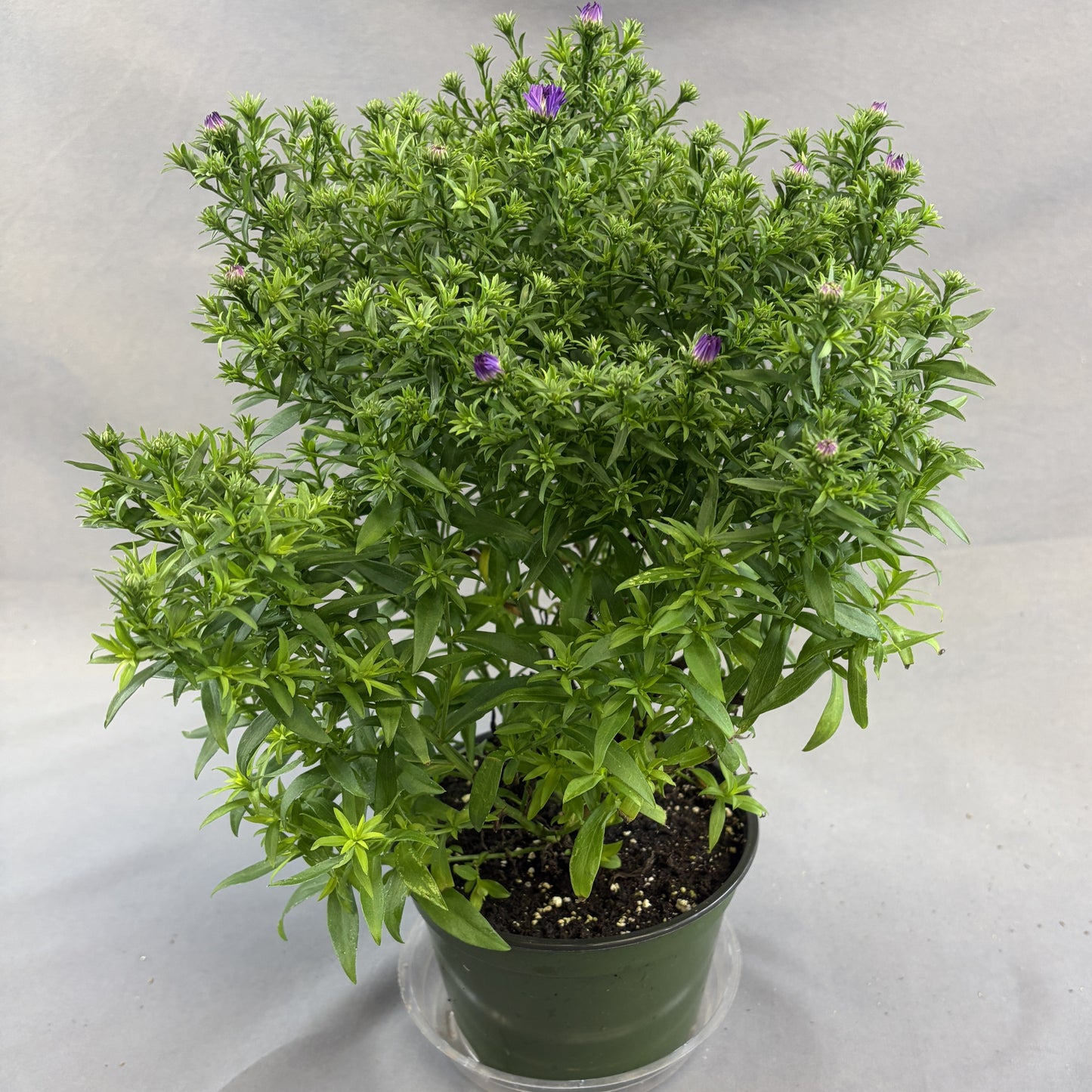
Fall Asters
Fall Asters
Couldn't load pickup availability
Scientific Name: Symphyotrichum spp. and hybrids
Care Instructions: Plant in fertile, well-drained soil and provide regular moisture, especially during periods of heat or drought. Pinch back stems lightly in early summer to encourage a fuller, more compact habit and deadhead spent flowers if desired. Cut plants back to the ground in late fall or early spring.
Common Names: Fall Aster, New England Aster, New York Aster, Michaelmas Daisy
Environmental Needs: Prefers fertile, consistently moist but well-drained soil and good air circulation. Performs best in sunny locations and benefits from protection from excessive drought and extreme heat.
Type: Herbaceous perennial
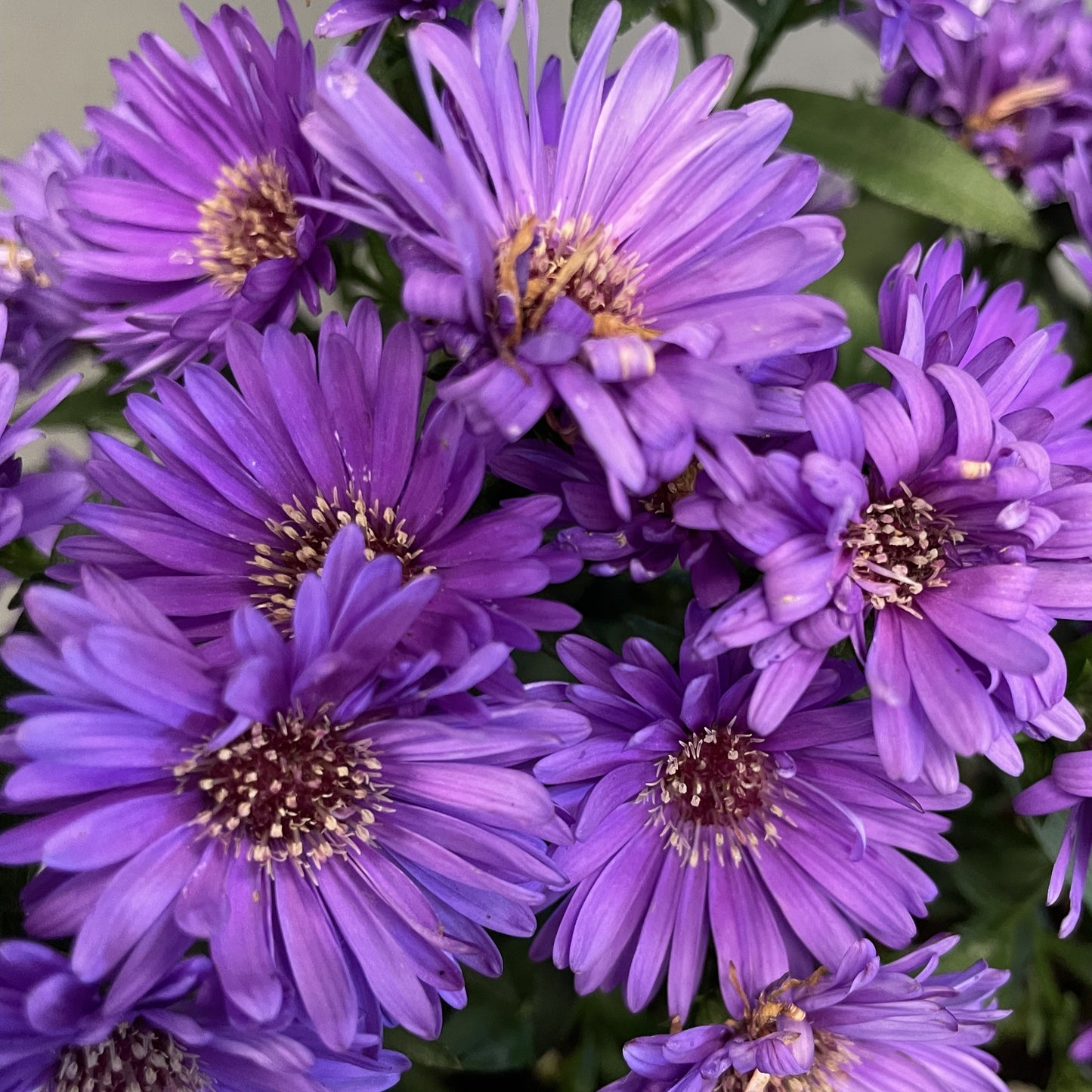
Garden Value: Provides valuable late-season colour and is an excellent choice for perennial borders, cottage gardens, pollinator gardens, naturalized plantings, and wildlife-friendly landscapes.
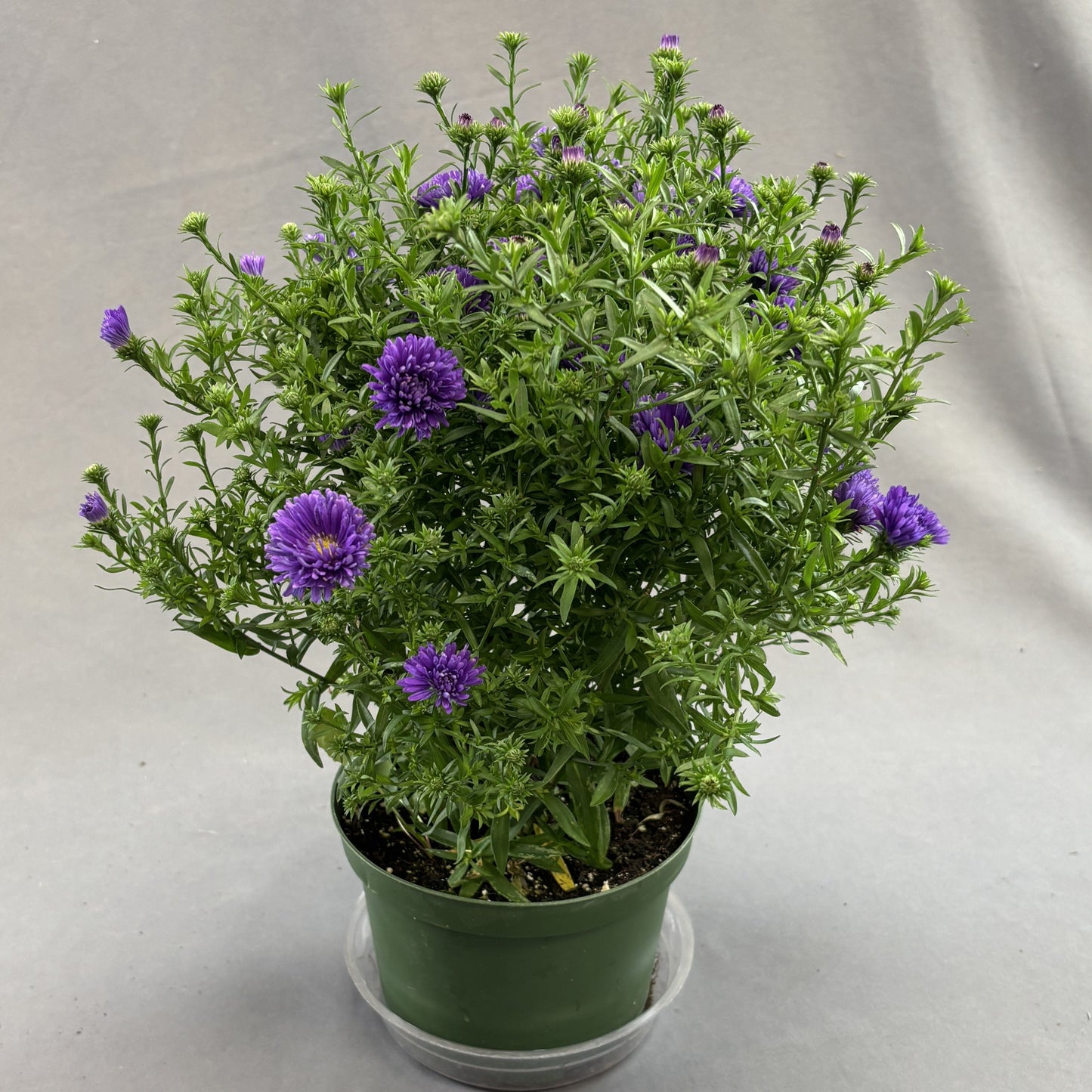
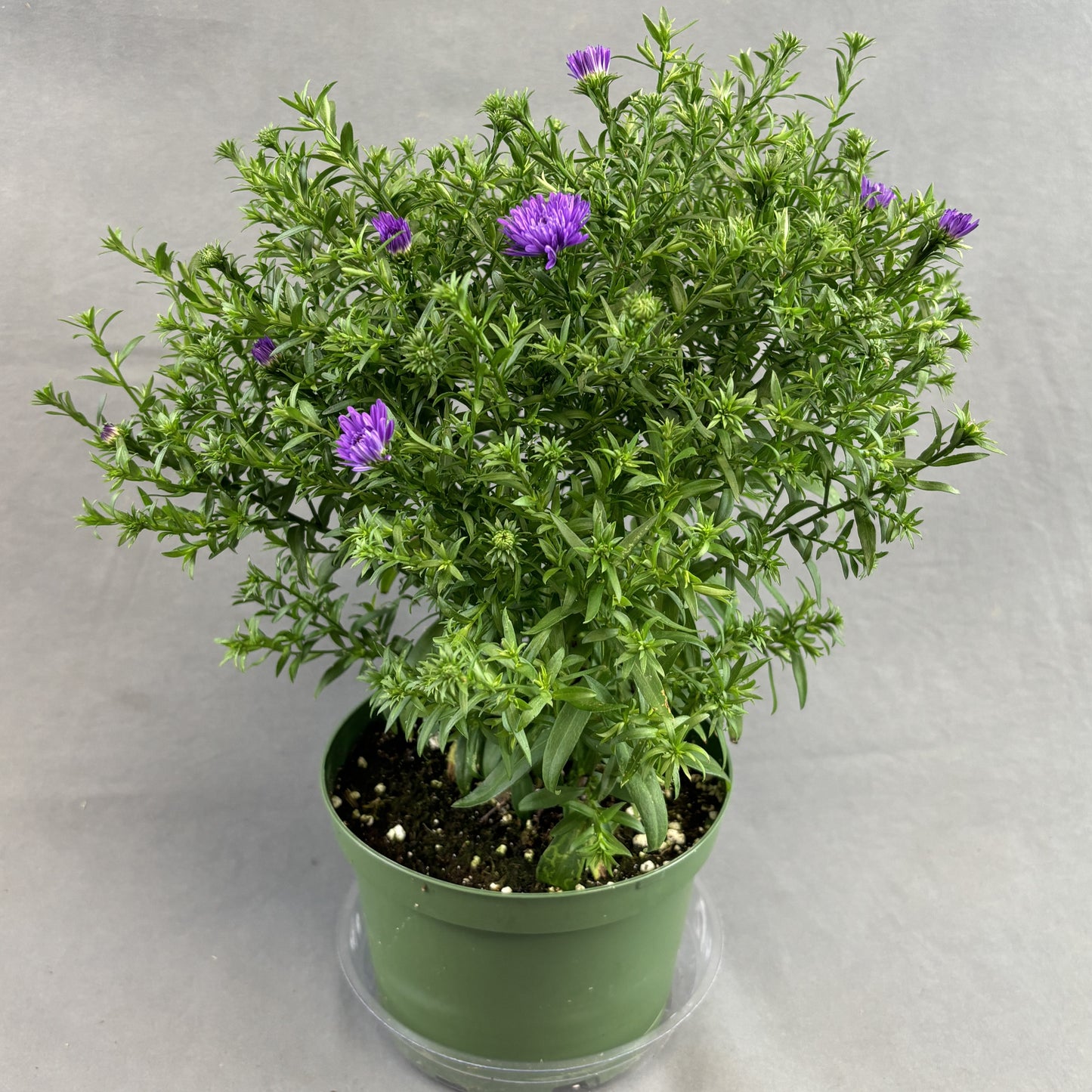
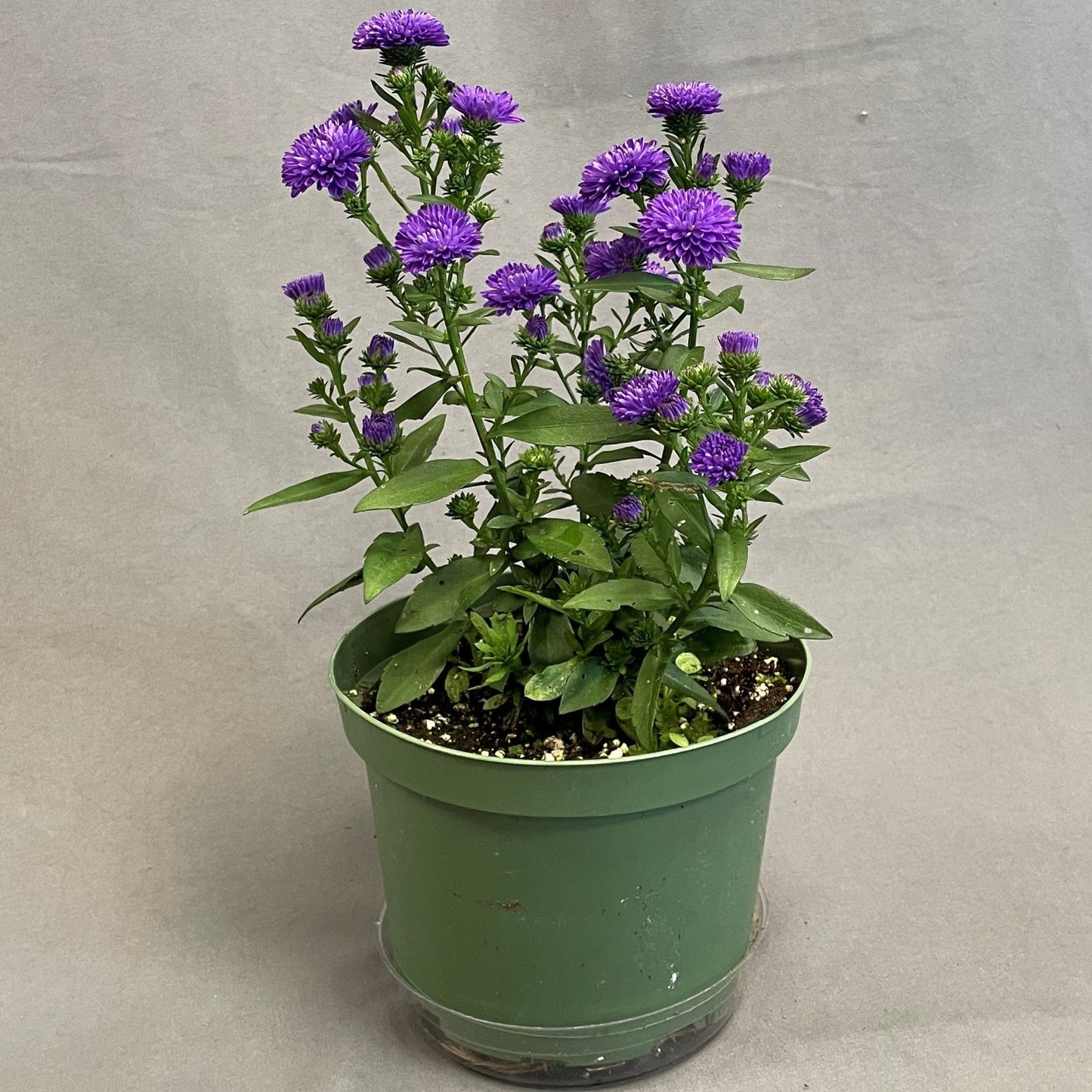
Growth Details: Forms an upright or mounding clump with branching stems and numerous flowers. Plants can spread gradually depending on the variety and growing conditions.
Hardiness Zone: USDA Zone 3–8, depending on species, and cultivar
Mature Size: Approximately 60–180 cm (24–72 in.) tall × 45–120 cm (18–48 in.) wide, depending on variety
Lighting: Full sun to partial shade
Plant Type: Flowering perennial
Planting Considerations: Plant in spring or early fall, in moisture-retentive but well-drained soil. Provide adequate spacing for air circulation. Taller varieties may benefit from staking, while compact cultivars generally require little support.
Seasonal Interest: Flowers primarily from August through October, providing some of the garden's most important colour in late summer and fall.
Special Features: Long blooming season, excellent late-season pollinator plant, attractive daisy-like flowers, excellent cut flower, deer resistance, and strong wildlife value.
Tips For Success: Grow in full sun for the best flowering and strongest stems. Avoid allowing the soil to remain excessively dry. Divide established clumps every 2-4 years in spring to maintain vigour and prevent overcrowding. Pinching plants in early summer can produce shorter, bushier growth.
Tolerances: Many varieties tolerate clay soils, urban conditions, deer, and short periods of drought once established. Tolerance varies among species and cultivars.
Watering Needs: Moderate to high. Keep soil evenly moist, particularly during establishment and flowering. Avoid consistently waterlogged conditions.
Wildlife & Human Value: Fall Asters are highly valuable to bees, butterflies, and other late-season pollinators because they provide nectar when fewer flowering plants are available. Their seeds are also eaten by birds, making them an excellent addition to wildlife gardens.
General Information: Fall Asters are among the most valuable perennials for extending garden colour into late summer and fall. Modern garden asters are generally classified within the genus Symphyotrichum, although the common name "aster" remains widely used. With a wide selection of flower colours, heights, and growth habits, they can be incorporated into almost any sunny perennial garden. Their exceptional late-season nectar production makes them particularly valuable for pollinator-friendly and naturalized landscapes.
Share