Skip to product information
1 of 8

Scott's Nursery Ltd.

Cyclamen

Cyclamen

Regular price $11.99 CAD
Regular price Sale price $11.99 CAD
Sale Sold out
Size
Colour: White
Quantity

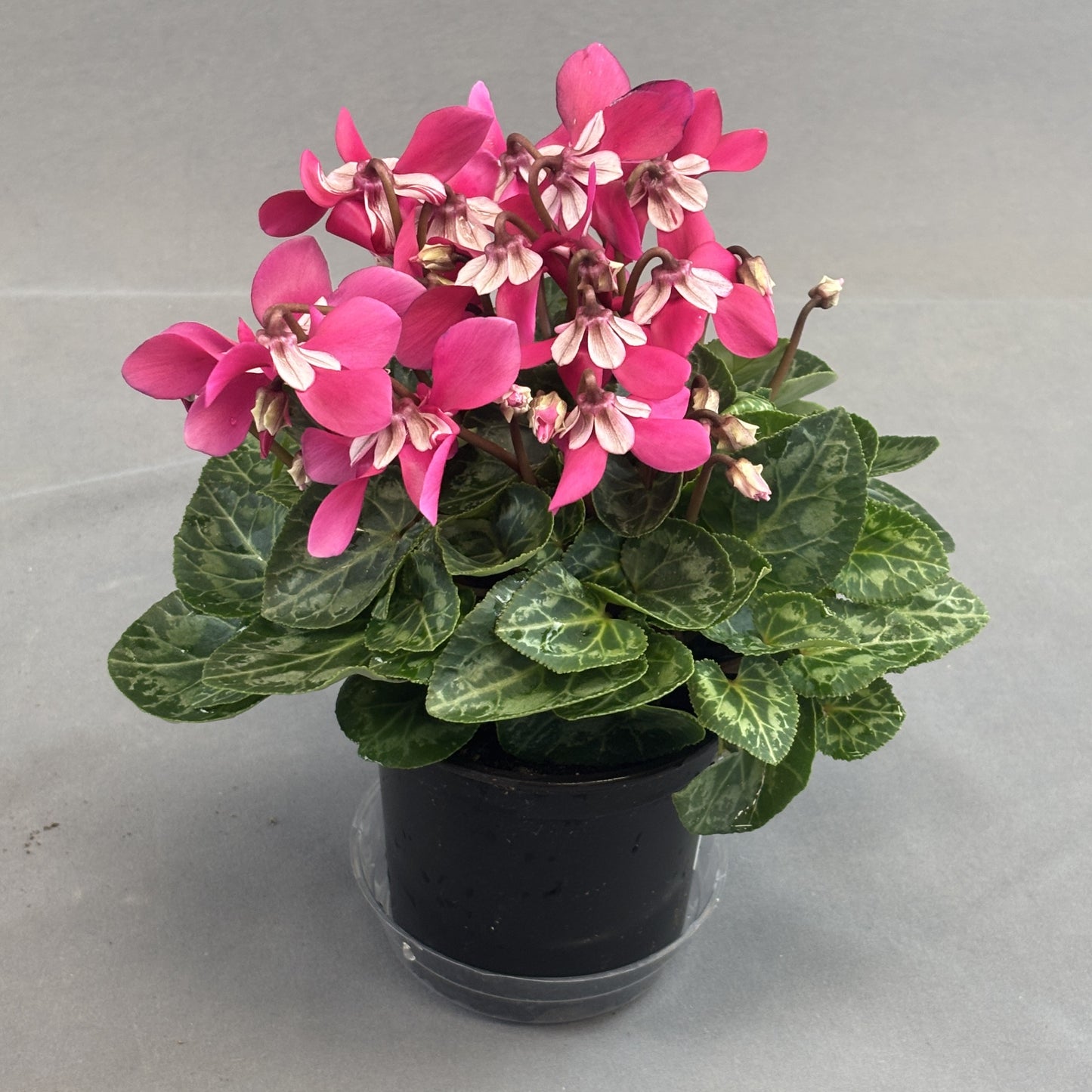
Cyclamen is a compact, tuberous flowering plant with attractive heart-shaped or rounded foliage, often marked with silvery patterns. Its flowers are held above the foliage on slender stems and have distinctive swept-back petals, creating an elegant display. Cyclamen is especially popular as a cool-season indoor flowering plant.

View full details

Cyclamen

$11.99
Title

Cyclamen is a compact, tuberous flowering plant with attractive heart-shaped or rounded foliage, often marked with silvery patterns. Its flowers are held above the foliage on slender stems and have distinctive swept-back petals, creating an elegant display. Cyclamen is especially popular as a cool-season indoor flowering plant.

Size
Colour

Size Guide

Visit Us

Delivery

Warranty

Details & Plant Care

Difficulty:

Moderate

Water:

NA

Humidity:

Moderate humidity is beneficial, but avoid excessive humidity and poor air circulation around the foliage.

Pet Friendly:

Toxic to cats and dogs if ingested, particularly the tubers. Ingestion can cause drooling, vomiting, diarrhea, and other gastrointestinal signs. Larger amounts may cause more serious effects.

Light:

Bright Indirect Light

Plant Information

Common Names:

Cyclamen, Persian Cyclamen, Florist’s Cyclamen

Scientific Name:

Cyclamen persicum

Country Of Origin

Native to the Mediterranean region, including parts of Turkey, Greece, Cyprus, and the Middle East. Cultivated florist’s cyclamen are primarily derived from Cyclamen persicum.

Growth Rate:

Moderate

Soil Type:

A light, porous, well-draining potting mix that retains moderate moisture. A mix designed for African Violets or a combination of quality potting soil, peat or coco coir, and perlite works well. Ensure the container has drainage holes.

Fertilize:

NA

Remember to only fertilize during their active growing season.

Common Pests

Aphids

Aphids

What To Look For: Small soft-bodied insects (green, yellow, black or orange) usually congregating on new growth, stems or leaf undersides. Sticky residue (“honeydew”) on leaves or nearby surfaces, sometimes with sooty mold developing on it. Distorted or curling leaves, wilting, slow growth.

How To Treat: Isolate the infested plant to prevent spread. Blast with water to dislodge many adults, especially on newer growth. Use insecticidal soap, making sure to cover the leaf underside and new growth. Repeat treatments every 7 days or so until no new signs appear. (Since they reproduce quickly)

Thrips

Thrips

What To Look For: Tiny, slender insects are often difficult to see; damage appears as silvery or grey stippling on leaves, distorted growth, or black specks (their feces). May also see uneven colouring, leaf silvering, and leaf edges curling.

How To Treat: Use insecticidal soap, making sure to cover all surfaces, including undersides, and new growth. Trim off and discard severely infested growth. Monitor with sticky traps (blue or white) and isolate the plant.

Spider Mites

Spider Mites

What To Look For: Very fine webbing under leaves or between stems and leaves (especially in dry indoor air). Leaves may appear stippled (tiny yellow or white dots) or dusty; they may turn yellow, brown or drop. When you tap a leaf onto white paper, you might see tiny moving specks. (Often too small to see easily)

How To Treat: Increase humidity around the plant (since mites thrive in dry air). Spray plant thoroughly (both sides of leaves) with insecticidal soap or a miticide/plant-safe oil; repeat every few days. In heavy infestations, consider removing severely affected sections; isolate the plant.

Fungus Gnats

Fungus Gnats

What To Look For: Small flies hover around the soil surface when you water or disturb the plant. Larvae in soil feeding on root hairs and organic matter may lead to poor growth or young plants dying. Usually in overly moist potting soil or with poor drainage.

How To Treat: Allow the soil surface to dry a bit between watering; reduce over-watering. Use yellow sticky traps to catch adult gnats. Consider repotting into a fresh, well-draining mix and removing excess topsoil debris; you can also use a layer of sand or diatomaceous earth on the soil surface.