Choosing the Right Pots & Containers for Houseplants

December 6th, 2025

When you bring home a new houseplant, it’s easy to focus on how it looks—the leaves, the colour, where it’ll sit in your home. But one of the most important decisions you’ll make for that plant is something many people overlook: the pot.


At Scott’s Nursery, we see it all the time. Plants that should be easy to care for struggle not because of pests or poor soil, but because they’re in the wrong container. The right pot helps manage moisture, protects roots, and makes plant care simpler—especially here in New Brunswick, where our long winters, lower light levels, and dry indoor air can be tough on houseplants.


Whether you’re a first-time plant parent or someone with a home full of greenery, choosing the right pot can help:

  • Prevent root rot
  • Reduce transplant stress
  • Make watering more forgiving
  • Keep plants healthy through every season

In this guide, we’ll walk through what to look for when buying pots for new houseplants or repotting older ones—from materials and drainage to sizing and common mistakes. The goal isn’t perfection—it’s confidence, curiosity, and maybe even trying something new.

Pot Materials: 
Choosing What Works for Your Plant

Not all pots are created equal. The material your pot is made from affects how quickly soil dries out, how much air reaches the roots, and how forgiving the plant will be if you accidentally overwater. In New Brunswick homes—especially in winter—this matters more than many people realize.


Let’s break down the most common pot types you’ll see and when they work best.

Terracotta Pots

(Classic Clay)

Terracotta pots are a favourite for a reason. They’re made from natural clay and are porous, which means air and moisture can pass through the sides of the pot.

Why gardeners love them:

Soil dries out faster

Roots get better airflow

Helps prevent overwatering

Best for:

Succulents and cacti

Snake plants

ZZ plants

Anyone who tends to water a little too often

Things to keep in mind:

Plants may need more frequent watering in summer

Clay can crack if exposed to sudden temperature changes (something to remember in NB)

Terracotta is especially helpful during winter when plants are growing slowly and excess moisture can quickly lead to root rot.

Ceramic Pots

(Glazed & Decorative)

Ceramic pots are popular because they look great and come in a wide range of styles. Unlike terracotta, glazed ceramic is non-porous, so it holds moisture longer.

Why they’re a great choice:

Keeps soil evenly moist

Heavier and more stable for larger plants

Ideal for tropical houseplants

Best for:

Monstera

Pothos

Philodendrons

Peace lilies

Watch out for:

Always check for a drainage hole

Easier to overwater if drainage is poor

Ceramic pots can be a good match during our dry heating season—but only if they drain properly.

Plastic Pots

(Lightweight & Practical)

Plastic pots may not get the same love as ceramic or clay, but they’re incredibly practical—especially for beginners.

Why they work well:

Lightweight and affordable

Hold moisture longer than terracotta

Easy to move and repot

Best for:

Hanging plants

Large houseplants

New plant owners learning their watering routine


Extra bonus:
Plastic nursery pots work perfectly inside decorative “cache pots,” giving you the best of both function and style.

Self-Watering Pots

(Helpful—but Not for Everything)

Self-watering pots have a built-in reservoir that allows the plant to absorb water as needed. Used correctly, they can be a great tool.

Why people like them:

Provide consistent moisture

Reduce guesswork

Helpful during dry indoor winters

Best for:

Plants that like evenly moist soil

Busy plant owners

Common mistake:
Using self-watering pots for succulents or drought-tolerant plants often leads to soggy soil and root rot.


These pots can be especially useful during winter heating season—but only with plants that actually enjoy steady moisture.

Quick Material Match Tips

If you overwater → try terracotta

If your home is dry → ceramic or plastic may work better

If you forget to water → self-watering, with the right plant

When in doubt → choose function first, style second

Drainage: The #1 Thing That Prevents Root Rot

If there’s one takeaway from this entire guide, it’s this: good drainage matters more than almost anything else when it comes to houseplant health.


Plants need water—but they also need air. When excess water has nowhere to go, it sits at the bottom of the pot, suffocating roots and creating the perfect conditions for rot. This is especially common in New Brunswick, where lower light and slower winter growth mean plants use water much more slowly.

Why Drainage Is Non-Negotiable

Healthy roots need a balance of:

  • Moisture
  • Oxygen
  • Time to dry slightly between waterings

Without drainage holes, water collects at the bottom of the pot, and roots stay wet far longer than they should. Over time, this leads to:

  • Root rot
  • Fungus gnats
  • Yellowing leaves
  • Stunted growth

If a plant is struggling and pests aren’t the issue, drainage is often the real culprit.

Pots With Holes vs. Pots Without Holes

Pots with drainage holes
These allow excess water to escape, which:

  • Protects roots
  • Makes watering more forgiving
  • Helps prevent soggy soil

Pots without drainage holes
These can still be used—but not on their own.

The best solution:
Use a plastic nursery pot with drainage holes inside a decorative pot. This setup:

  • Looks great
  • Makes watering easier
  • Lets you remove the plant to drain excess water

A Very Common Myth: 

“Just Add Rocks at the Bottom”


This is one of the most common houseplant myths—and unfortunately, it doesn’t work.

Adding rocks or gravel to the bottom of a pot:

  • Does not improve drainage
  • Actually raises the level where water collects
  • Keeps roots wet longer, not shorter

If a pot doesn’t have drainage holes, rocks won’t fix the problem. Proper drainage always starts with an exit for excess water.

Drainage Quick Checks

Before buying or using a pot, ask yourself:

  • Does this pot have a drainage hole?
  • If not, can it be used as a cache pot?
  • Will excess water be able to escape easily?

During winter:

- Plants grow more slowly

- Soil dries out much more slowly

- Overwatering happens easily—even with good intentions


This makes drainage especially important from fall through early spring. A well-draining pot can be the difference between a plant that survives winter and one that struggles.

Picking the Right Pot Size 
(Why Bigger Is Not Better)

When it comes to repotting houseplants, one of the most common instincts is to give a plant “lots of room to grow.” While that sounds helpful, overpotting is one of the easiest ways to stress a plant—especially in New Brunswick’s cooler, lower-light months.


Choosing the right pot size helps roots stay healthy, prevents soggy soil, and encourages steady growth.

How Much Bigger Should You Go?

As a general rule, when repotting:

Choose a pot 1–2 inches wider than the current one

Keep the depth similar unless the plant has deep roots

This gives roots room to grow without overwhelming them with excess soil.

Why this matters:
Too much extra soil holds water longer than roots can use it, increasing the risk of root rot.

Signs Your Plant Is Ready to Be Repotted

Not every plant needs a new pot right away. Look for these signs before sizing up:

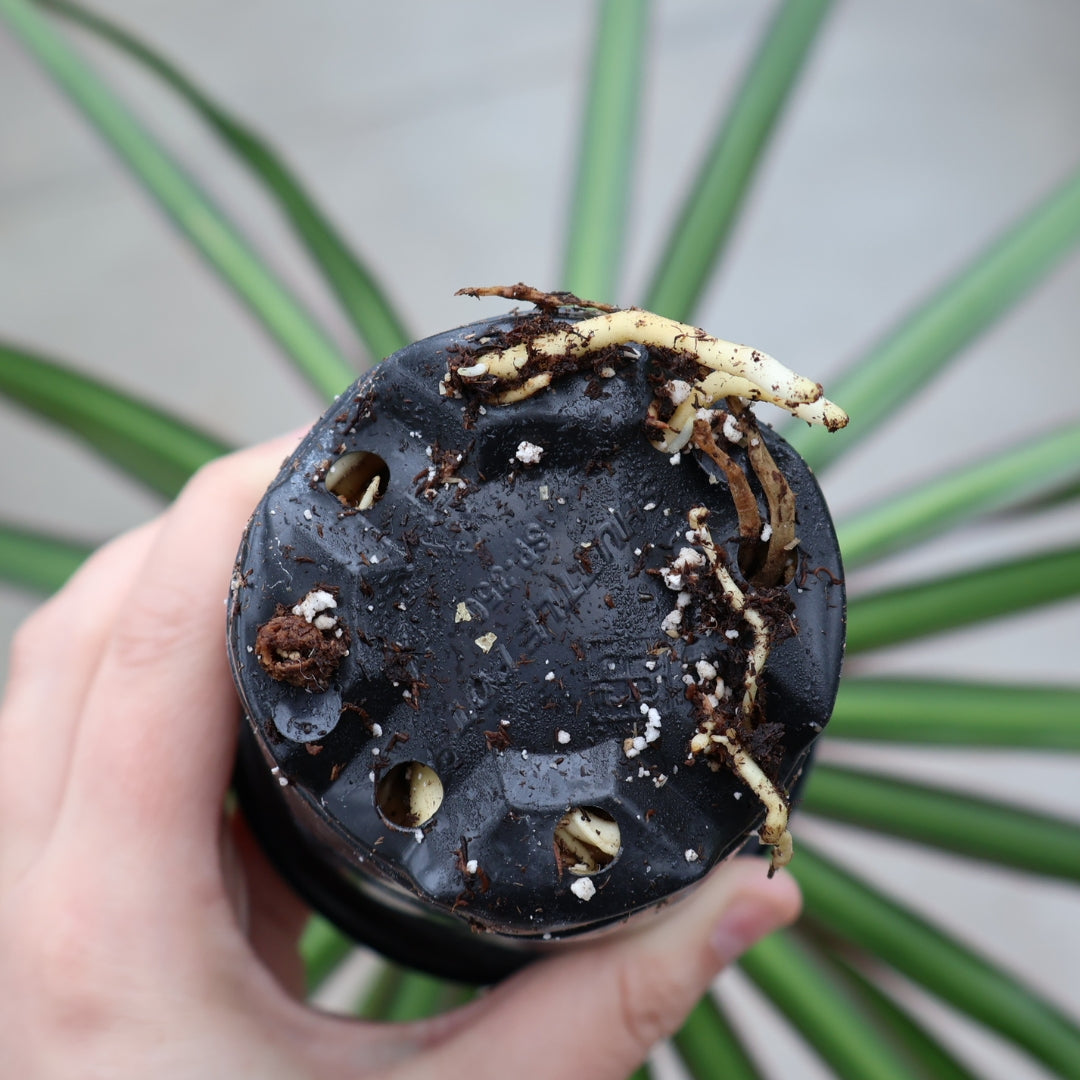
Roots growing out of the drainage holes

The plant dries out very quickly after watering

Growth has slowed even during the growing season

The plant feels top-heavy or unstable

If you’re not seeing these signs, your plant may be perfectly happy where it is.

The Risks of Overpotting

Overpotting doesn’t usually kill a plant overnight—it causes slow stress that’s easy to miss at first.

Common problems include:

Soil stays wet too long

Roots sitting in cold, damp soil

Yellowing leaves

Root rot develops quietly underground

This is especially common in winter, when plants aren’t actively growing and don’t need much water.

Best Time to Repot in New Brunswick

Timing matters just as much as pot size.

Best time to repot:

Spring to early summer, when plants are actively growing

Try to avoid:

Repotting in mid-winter unless absolutely necessary

If a plant must be repotted in winter (for example, due to root rot), extra care with drainage and watering is key.

Quick Sizing Tips

When in doubt, size up slowly

Match the pot to the root ball, not the leaf size

A slightly snug pot is often healthier than an oversized one

Common Potting Mistakes

Even experienced gardeners make potting mistakes—it’s part of learning. The good news is that most houseplant problems are easy to prevent once you know what to watch for. Here are some of the most common pot-related issues we see, along with simple ways to avoid them.

Mistake #1: 

Choosing a Pot for Looks Only

It’s tempting to pick a pot that matches your décor and call it a day. While style matters, function should always come first.

How to avoid it:

Check for drainage holes before buying

Make sure the pot suits the plant’s watering needs

Use decorative pots as cache pots when needed

You can still have beautiful plants—just make sure the pot works as hard as it looks.

Mistake #3: 

Ignoring Drainage Holes

This one causes more plant issues than almost anything else.

How to avoid it:

Always choose pots with drainage holes

If the pot doesn’t have holes, keep the plant in a nursery pot inside it

Never let water sit in the bottom of a pot or saucer

Mistake #2: 

Overpotting “to Give It Room”

Bigger isn’t better when it comes to houseplants. Oversized pots hold more soil, which holds more water—and that can quickly lead to problems.

How to avoid it:

Size up gradually (1–2 inches at a time)

Repot only when the plant shows signs it needs it

A slightly snug pot often leads to healthier root growth.

Mistake #4: 

Using Self-Watering Pots for the Wrong Plants

Self-watering pots can be helpful—but they’re not right for every plant.

Common issue:

Succulents and cacti sitting in constantly moist soil

How to avoid it:

Use self-watering pots only for plants that like even moisture

Learn your plant’s natural growing conditions

Mistake #5: Not Adjusting for the Seasons

Houseplants don’t grow the same way year-round in New Brunswick.

What happens in winter:

Growth slows

Soil dries out more slowly

Overwatering becomes easy

How to avoid it:

Water less frequently

Pay extra attention to drainage

Avoid unnecessary repotting

Quick Fix Checklist

If a plant seems unhappy, ask yourself:

Is the pot the right size?

Does it drain properly?

Has the season changed?

Often, the solution isn’t fertilizer or pest control—it’s simply a better pot setup.

Pots Through the Seasons

Houseplants don’t experience a steady environment here in New Brunswick. Our seasons bring big changes in light, temperature, and indoor humidity—and the right pot can help plants handle those shifts with less stress.

Title

Winter: Low Light & Slower Growth

From late fall through early spring, most houseplants slow down. Days are shorter, sunlight is weaker, and indoor heating dries the air.
 

What this means for pots:

  • Soil stays wet longer
  • Roots need more air and better drainage
  • Overwatering becomes the most common issue

Helpful winter pot choices:

  • Pots with excellent drainage
  • Breathable materials like terracotta
  • Properly sized containers (not oversized)

A pot that drains well can make winter care far more forgiving.

Title

Summer: Active Growth & Faster Drying

As days get longer and brighter, houseplants start actively growing again. They use more water and dry out faster.
 

What this means for pots:

  • Plants may need more frequent watering
  • Moisture-retentive pots can be helpful
  • Some plants may finally be ready to size up

This is often the best time to repot, experiment with new containers, and adjust pot choices for the growing season.

Choosing the right pot isn’t about following strict rules—it’s about understanding what your plant needs and how your home environment affects it. With the right container, watering becomes easier, roots stay healthier, and plants are better equipped to handle New Brunswick’s changing seasons.


Don’t be afraid to try something new. Swap materials, adjust sizes gradually, and learn from how your plants respond. Even small changes can make a big difference—and sometimes, the simplest solution is just a better pot.


Healthy plants don’t start with luck. They start with the right container.

Subscribe

To Join Our Mailing List And Never Miss A Monthly Newsletter!

Thanks for contacting us. We'll get back to you as soon as possible.

Articles You Might Like

Related Products

Pot with Saucer Glazed

$4.99
23 left in stock
OUT OF STOCK
Restock soon, PREORDER NOW!
HURRY! LET BUY NOW

23 left in stock

Falun Orchid Pot

$13.99
5 left in stock
OUT OF STOCK
Restock soon, PREORDER NOW!
HURRY! LET BUY NOW

5 left in stock

Pot Bergamo Shiny

$10.99
9 left in stock
OUT OF STOCK
Restock soon, PREORDER NOW!
HURRY! LET BUY NOW

9 left in stock

Madagascar Anthracite Pot

$0.99
13 left in stock
OUT OF STOCK
Restock soon, PREORDER NOW!
HURRY! LET BUY NOW

13 left in stock

Graphite Standard Clay Pot

$3.99
117 left in stock
OUT OF STOCK
Restock soon, PREORDER NOW!
HURRY! LET BUY NOW

117 left in stock

Nursery Pots Standard Assorted Colours 4.33"

$0.30
4779 left in stock
OUT OF STOCK
Restock soon, PREORDER NOW!
HURRY! LET BUY NOW

4779 left in stock

Clay Standard Pot

$0.59
495 left in stock
OUT OF STOCK
Restock soon, PREORDER NOW!
HURRY! LET BUY NOW

495 left in stock

White Clay Standard Pot

$3.99
40 left in stock
OUT OF STOCK
Restock soon, PREORDER NOW!
HURRY! LET BUY NOW

40 left in stock

Planter Cup and Saucer Ceramic

$7.49
8 left in stock
OUT OF STOCK
Restock soon, PREORDER NOW!
HURRY! LET BUY NOW

8 left in stock

Pot Egg Ceramic with Saucer

$9.99
18 left in stock
OUT OF STOCK
Restock soon, PREORDER NOW!
HURRY! LET BUY NOW

18 left in stock

Capri Anthracite Plastic

$4.49
18 left in stock
OUT OF STOCK
Restock soon, PREORDER NOW!
HURRY! LET BUY NOW

18 left in stock

Orchid Pot Clear Plastic

$0.69
244 left in stock
OUT OF STOCK
Restock soon, PREORDER NOW!
HURRY! LET BUY NOW

244 left in stock

Pot Terra Cotta Plastic Mini

$0.19
548 left in stock
OUT OF STOCK
Restock soon, PREORDER NOW!
HURRY! LET BUY NOW

548 left in stock

Clear Plastic Plant Saucer

$0.39
206 left in stock
OUT OF STOCK
Restock soon, PREORDER NOW!
HURRY! LET BUY NOW

206 left in stock

Terme Derco Plastic

$3.99
28 left in stock
OUT OF STOCK
Restock soon, PREORDER NOW!
HURRY! LET BUY NOW

28 left in stock

Terme Plastic Saucer

$0.89
66 left in stock
OUT OF STOCK
Restock soon, PREORDER NOW!
HURRY! LET BUY NOW

66 left in stock

Potting Soil

$16.99
84 left in stock
OUT OF STOCK
Restock soon, PREORDER NOW!
HURRY! LET BUY NOW

84 left in stock

Organic Garden & Potting Soil

$5.99
361 left in stock
OUT OF STOCK
Restock soon, PREORDER NOW!
HURRY! LET BUY NOW

361 left in stock

Pot Ceramic 2-Tone Assorted Colours

$1.99
18 left in stock
OUT OF STOCK
Restock soon, PREORDER NOW!
HURRY! LET BUY NOW

18 left in stock